


When COVID-19 struck, and again when mpox spread, countries across the World Health Organization (WHO) Western Pacific Region rushed to expand their laboratory and disease-monitoring systems. Scientists learnt to rapidly generate and use the genetic code of these pathogens to see where they came from, how fast they were spreading and whether they were changing in ways that could make them more dangerous. Health leaders used this important information to protect people.
Those gains were hard-won, and sustaining them requires continued effort. New health threats will emerge, methods will evolve, and expertise can be lost as experienced staff move on. Continued investment in people, laboratory and genomic capabilities, and networks for sharing knowledge and expertise is therefore essential, so that countries can detect and characterize disease threats when and where they emerge, rather than having to build capacity in the middle of a health crisis.
These investments paid off in a vital way during the Fifth Meeting of the Western Pacific Region Emerging Molecular Pathogen Characterization Technologies (EMPaCT) held in Melbourne, Australia, from 24 to 25 November 2026. Organized by WHO and the Centre for Pathogen Genomics at the University of Melbourne (Doherty Institute) - with support from the Australian Department of Foreign Affairs and the Government of Japan - the meeting brought together laboratory and disease-monitoring experts from across the Region to look at how far countries have come and what it will take to keep going.
Keeping the progress alive
Experts at the meeting shared what has worked, and what is still challenging, in keeping pathogen genomic sequencing - the reading of a pathogen’s genetic code - strong and sustained in very different settings. Their conversations covered topics from everyday laboratory routines and training the next generation of staff, to analysing data, explaining results to the public and using the data in making critical health decisions.
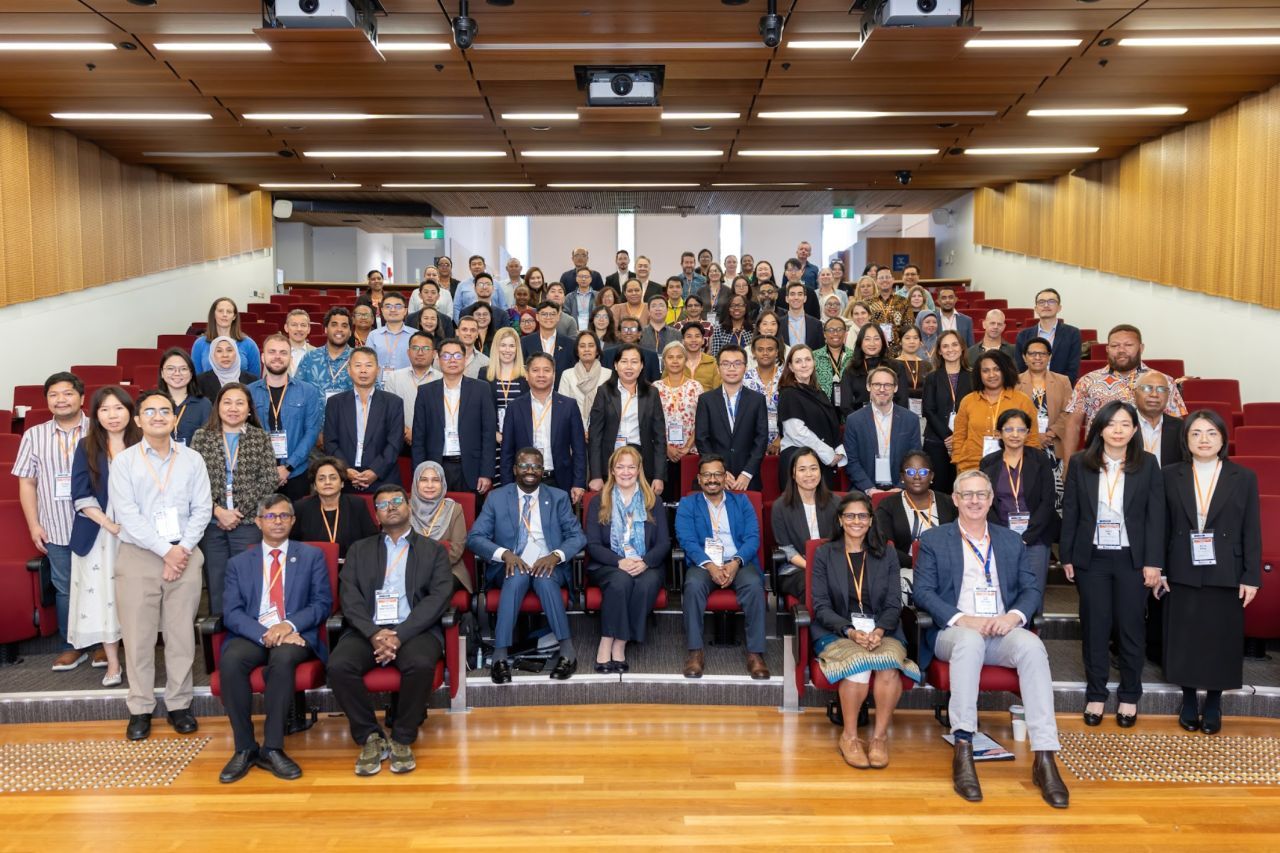
Photo: Participants at the Fifth Meeting of the Western Pacific Region Emerging Molecular Pathogen Characterization Technologies (EMPaCT). Photo credit: WHO
Country representatives also discussed how to access sequencing when it cannot be done domestically, by sending samples to a trusted laboratory elsewhere in the Region. Learning from one another helps each country strengthen its own system and enables neighbours to support each other along the way.
Using today’s threats to prepare for tomorrow’s
To put these lessons to the test, participants worked through an exercise built around an outbreak of an arbovirus - a virus spread by insects such as mosquitoes - in a fictional island country.
As the scenario unfolded, they deliberated on when genomic sequencing could make a difference, when to call on other laboratories for help, and how to read genetic findings alongside information about who is getting sick and where.
The exercise ended with mock press conferences, where participants practised explaining what the findings could mean for the public, because results only protect people when they are understood beyond the laboratory.
The arbovirus scenario was timely. At a side meeting of the seventy-seventh session of the WHO Regional Committee for the Western Pacific last month, Member States agreed to develop a regional action plan for arboviral diseases, providing an important entry point for strengthening genomic sequencing capabilities.
Pathogen genomic sequencing is most useful when combined with information on who is falling ill and other sources of surveillance data. Together, they give a fuller picture of how a disease is spreading and how risky it is, and help guide appropriate action.
“Sequencing shows us what a case count alone cannot: where an outbreak began, whether it is spreading locally or arriving from elsewhere, and whether the virus is changing,” said Dr Seng Heng, Chief of the Surveillance Bureau at the Communicable Disease Control Department of the Ministry of Health in Cambodia. “When we bring that together with what our surveillance teams are seeing in communities, we can decide with confidence where to send health workers, how to target our response and what to tell the public. That is how laboratory data becomes protection for people.”
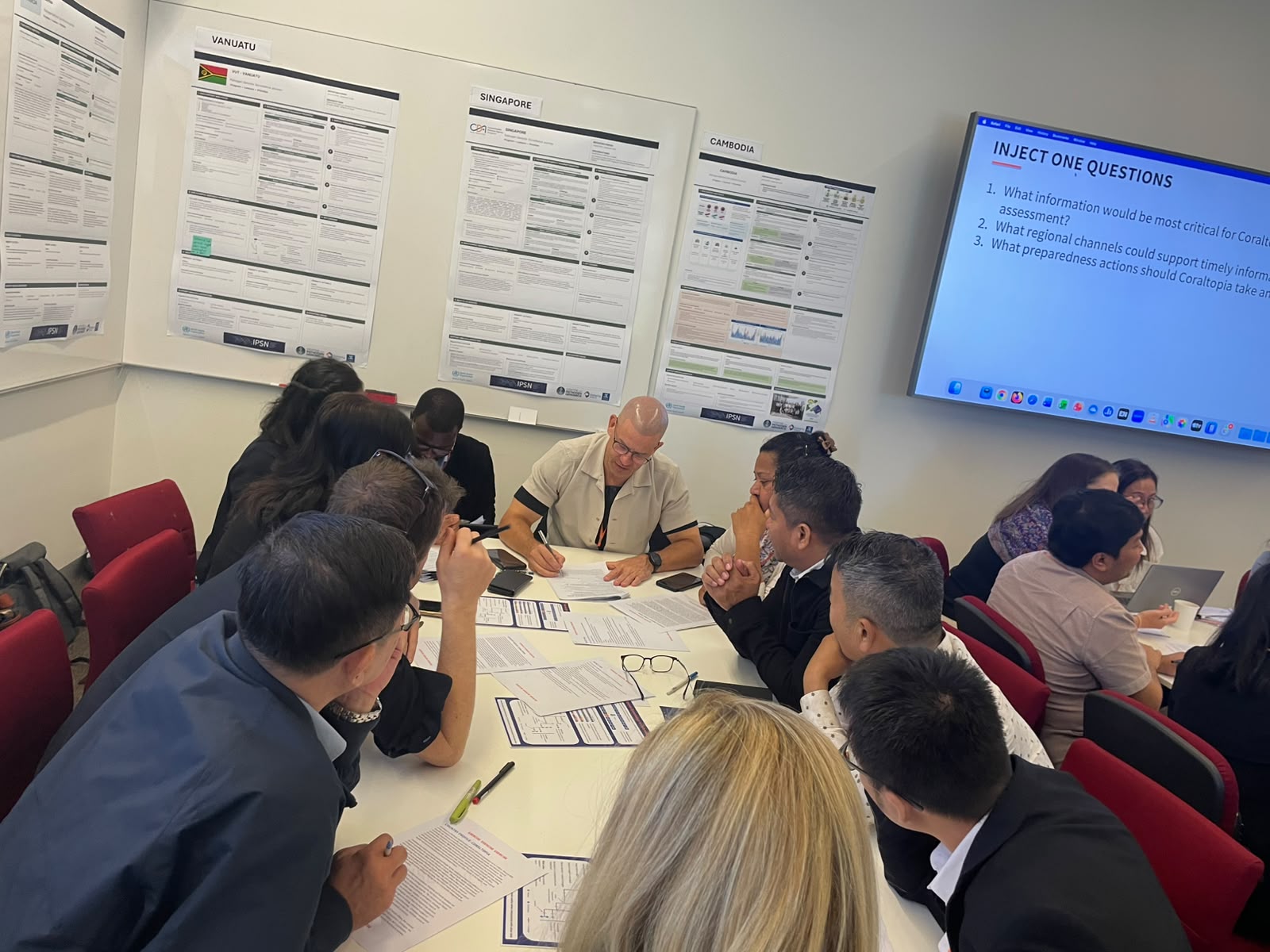
Photo: Participants at the Fifth Meeting of the Western Pacific Region Emerging Molecular Pathogen Characterization Technologies (EMPaCT). Photo credit: WHO
The benefits reach well beyond arboviruses. Putting sequencing to work on today’s health priorities keeps laboratories busy, staff trained and sample-sharing routes open, so countries are ready when an unexpected pathogen or the next pandemic threat appears.
The spirit of exchange reached beyond the WHO Western Pacific Region as participants from the WHO South-East Asia Region took part alongside Western Pacific Member States, together with partners from across the globe.
One region and beyond: a shared commitment
Following the EMPaCT meeting, a symposium was held on 26 and 27 November on pathogen genomics implementation research for global public health, co-hosted by the Centre for Pathogen Genomics at the Doherty Institute, the WHO Regional Office for the Western Pacific and the International Pathogen Surveillance Network. Countries, researchers, implementers and funders shared insights across borders and began to set a common agenda for implementation of pathogen genomics for public health.
Behind this work is a WHO priority: every country should be able to use pathogen genomic sequencing when it needs it. The COVID-19 pandemic exposed deep inequities in access, and closing that gap is of urgent concern for WHO in the Western Pacific.
By 2029, WHO’s regional target is for all Member States to have timely access to genomic sequencing, with 70% able to do it within their own borders. The number of countries in the Western Pacific Region with in-country sequencing grew from 41% in 2021 to 54% in 2025.
EMPaCT supports this goal by helping countries build up their own national systems, and by linking them with laboratories and expertise across borders.
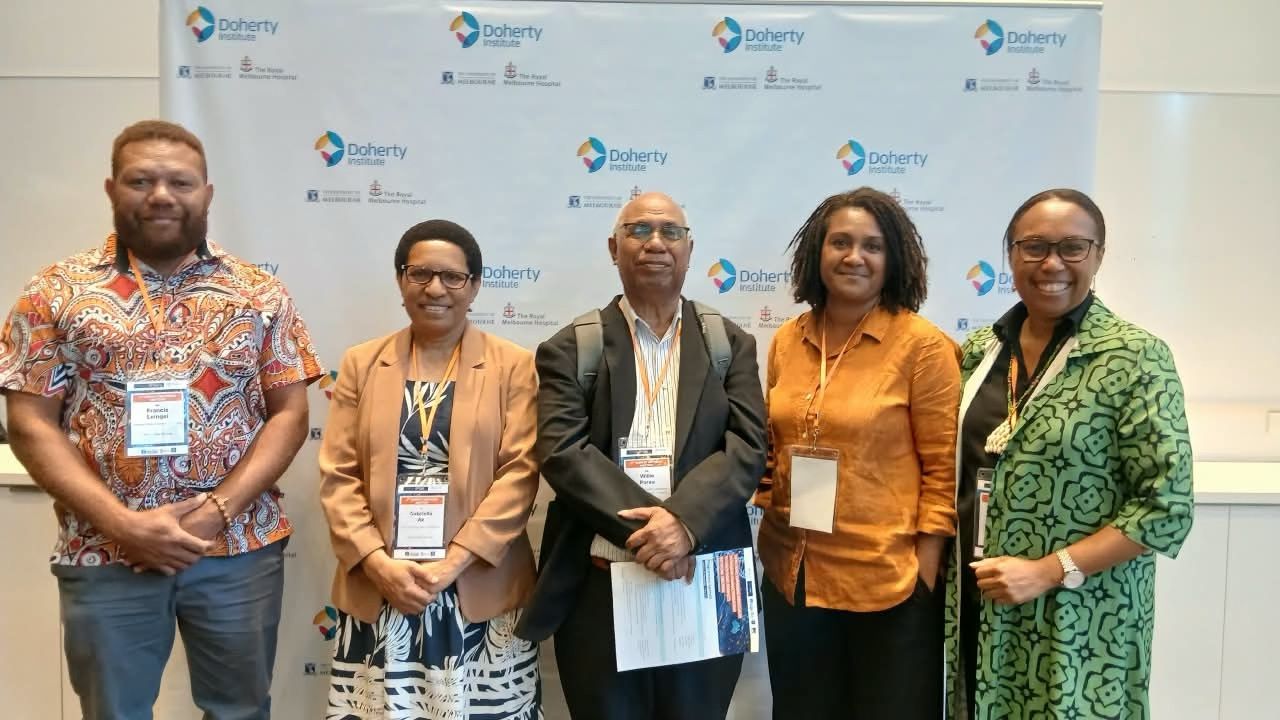
Photo: Papua New Guinea delegation at the Fifth Meeting of the Western Pacific Region Emerging Molecular Pathogen Characterization Technologies (EMPaCT). Photo credit: WHO
For example, as described by Mr Willie Porau, Director of Laboratory Services at the Central Public Health Laboratory, Papua New Guinea, “We have worked steadily to bring genomic sequencing capacity closer to home - training our own workforce, strengthening our laboratories, and building our ability to analyse and use the data ourselves. None of this was possible alone. Collaboration among our national institutions has been fundamental to building a shared and sustainable genomics capacity, while regional solidarity, as demonstrated through the EMPaCT network, has enabled us to learn from and support one another. Together, these partnerships remind us that a rising tide lifts all boats.”
What comes next
What was learnt in Melbourne will help shape a set of priority actions agreed by Member States across the Region, and will enable the development of each country’s national EMPaCT road map.
The destination is clear: every country able to use pathogen genomic sequencing whenever it is needed, whether through its own laboratories or by turning to trusted laboratories elsewhere. Using these skills to address today’s health priorities, including arboviruses, keeps systems connected, practised and ready to adapt the moment the next threat emerges.
___
Notes to editors
About EMPaCT. Established in 2021, the EMPaCT network promotes a connected and collaborative approach to detecting, characterizing and responding to pathogens with epidemic and pandemic potential across the Western Pacific Region. Member States endorsed the EMPaCT Conceptual Approach at the Fourth EMPaCT Meeting.
About the Fifth EMPaCT Meeting. Co-organized by WHO in the Western Pacific and the Centre for Pathogen Genomics at the Doherty Institute, through the BRIDGe programme funded by the Australian Government Department of Foreign Affairs and Trade and the Government of Japan, and co-facilitated by the WHO Hub for Pandemic and Epidemic Intelligence and the International Pathogen Surveillance Network.